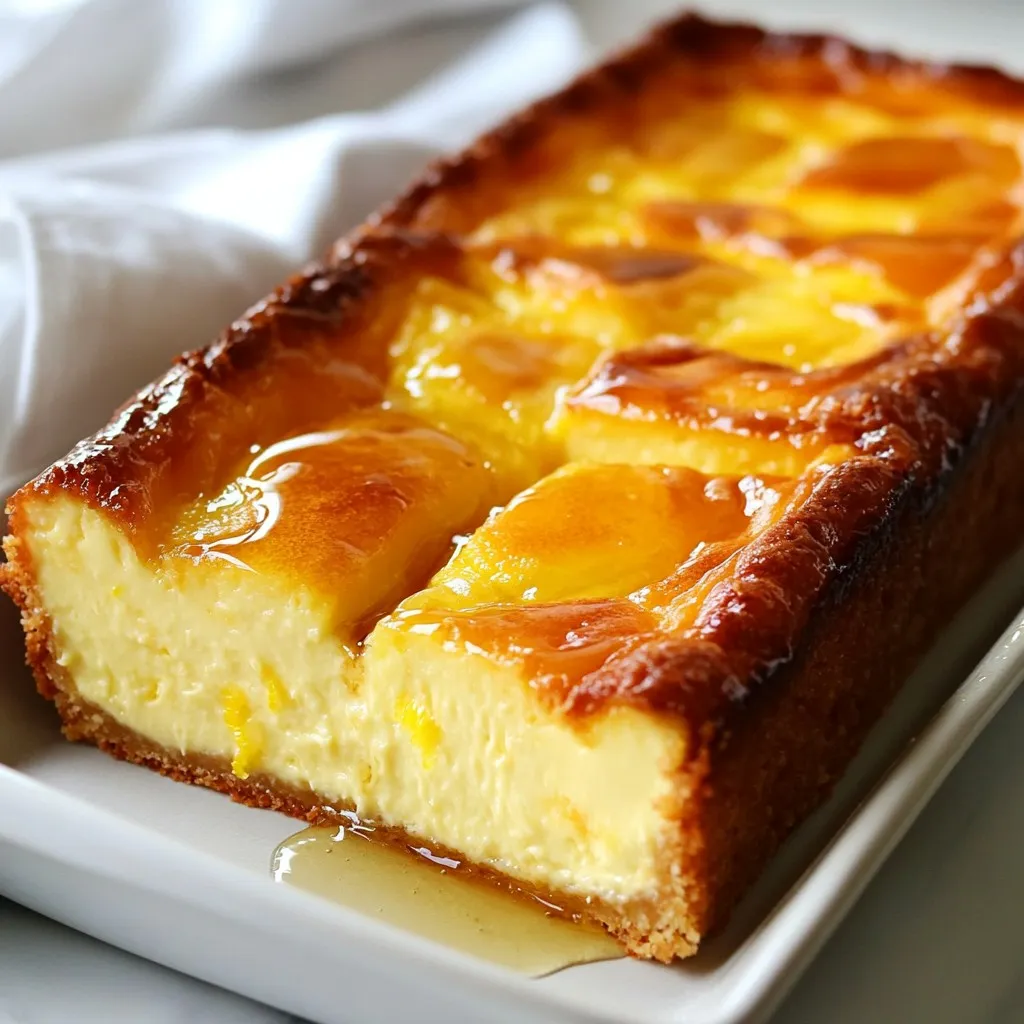
Are you ready to indulge in a rich and creamy delight? This Loaf Pan Basque Cheesecake is not just any dessert; it’s a creamy masterpiece that’s easy to make! I’ll guide you through each simple step, from mixing the batter to perfecting texture and flavor. Whether you’re a baking pro or a newbie, this cheesecake can impress everyone. Let’s dive into the delicious details and make your tastebuds sing!
Why I Love This Recipe
- Decadent Flavor: This Basque cheesecake features a rich, creamy texture with a delightful caramelized top that is simply irresistible.
- Easy Preparation: With minimal ingredients and straightforward steps, this recipe is perfect for both beginners and experienced bakers.
- Versatile Serving: It can be served plain or garnished with fresh berries or honey, making it a versatile dessert for any occasion.
- Impressive Presentation: The deep golden brown color and smooth texture make it a stunning centerpiece for your dessert table.
Ingredients
Key Ingredients for Loaf Pan Basque Cheesecake
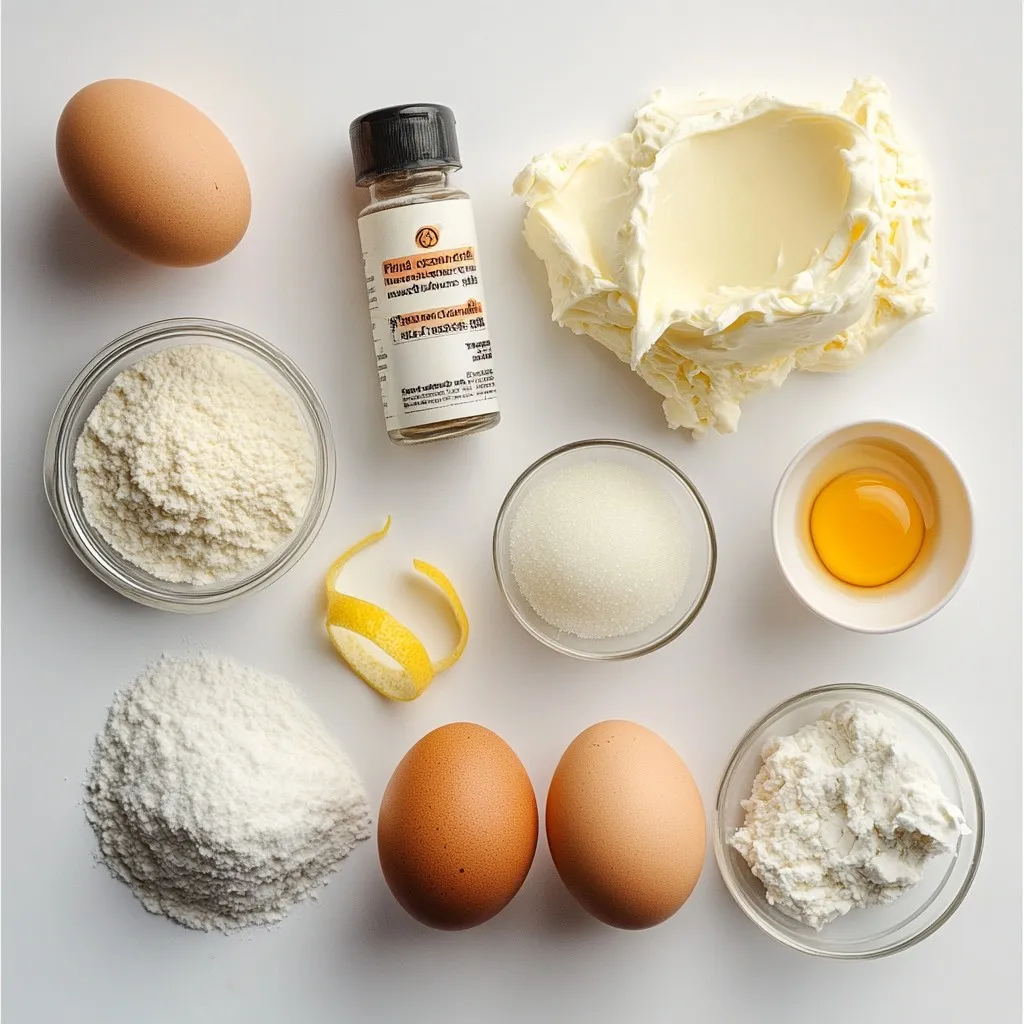
– 2 cups cream cheese, softened
– 1 cup granulated sugar
– 1 teaspoon pure vanilla extract
– 1/2 teaspoon sea salt
– 3 large eggs, room temperature
– 1 1/4 cups heavy cream
– 1/4 cup all-purpose flour, sifted
– Zest of 1 lemon, finely grated
The main star of this cheesecake is cream cheese. It gives that rich and creamy texture. Sugar adds sweetness, while vanilla brings a warm flavor. Sea salt helps balance the sweetness and enhances the taste. Eggs make the cheesecake set perfectly. Heavy cream adds extra creaminess, and flour gives it structure. Finally, lemon zest brightens the flavors and adds a fresh touch.
Optional Ingredients for Extra Flavor
– Fresh berries for topping
– Honey or maple syrup for drizzling
– A sprig of mint for garnish
These optional ingredients can elevate your cheesecake. Berries add color and a burst of tartness. Honey or maple syrup gives a sweet contrast. Mint adds freshness and looks great on the plate.
Substitutions for Diet Restrictions
– Use dairy-free cream cheese for lactose intolerance.
– For a lower sugar option, use a sugar substitute.
– Swap all-purpose flour for a gluten-free blend.
These swaps let everyone enjoy this cheesecake. Adjusting the recipe can fit many diets. Just ensure to use the right amounts for the best results.
Step-by-Step Instructions
Preparation of the Loaf Pan
Start by preheating your oven to 400°F (200°C). Grab a 9×5 inch loaf pan. Line it with parchment paper. Make sure some paper hangs over the sides. This helps you lift the cheesecake out easily later.
Mixing the Batter
In a large mixing bowl, add 2 cups of softened cream cheese. Use an electric mixer to beat it until smooth, about 2 minutes. Next, add 1 cup of granulated sugar. Mix until creamy and well blended.
Now, add 1 teaspoon of pure vanilla extract and 1/2 teaspoon of sea salt. Beat until smooth. Crack in 3 large eggs, one at a time. Mix well after each egg. This ensures a creamy batter.
Slowly pour in 1 1/4 cups of heavy cream. Mix on low speed until blended. Sift 1/4 cup of all-purpose flour and the zest of 1 lemon over the batter. Gently fold these in with a spatula. Stop as soon as no dry flour shows.
Baking and Cooling Techniques
Pour the batter into your prepared loaf pan. Smooth the top with a spatula. Bake in the oven for 40-45 minutes. It should be puffed and golden brown on top. The edges will feel firm, but the center may jiggle a bit.
When it’s done, turn off the oven. Leave the cheesecake inside with the door slightly open for 1 hour. This helps it cool slowly and prevents cracks. After an hour, take it out and let it cool at room temperature.
Once cool, chill the cheesecake in the fridge for at least 4 hours. For best flavor, let it sit overnight. When ready to serve, lift it from the pan using the parchment paper. Slice it into generous pieces and enjoy!
Tips & Tricks
Tips for Perfect Texture and Flavor
To get the best texture in your cheesecake, use room temperature cream cheese. This helps it mix smoothly. Beat the cream cheese for two minutes until creamy. Gradually add sugar and keep mixing for a rich flavor. Fold in flour gently. Overmixing can lead to a dense cake. The lemon zest adds a nice brightness. Bake until golden brown on top, but the center should still jiggle a bit.
Avoiding Common Mistakes
One common mistake is not preheating the oven. Always preheat to 400°F (200°C). Lining the loaf pan with parchment paper is key for easy removal. Don’t skip this step! Adding eggs too fast can also cause lumps. Add them one at a time, and mix well. If you skip the cooling step, cracks may form. Let the cheesecake cool in the oven with the door ajar for one hour.
How to Serve and Pair
When serving, lift the cheesecake out using the parchment paper. Slice it into generous pieces. For a beautiful presentation, serve it on a rustic wooden board. Top with fresh berries or a drizzle of honey for added flavor. A sprig of mint can give it a fresh look. Pair your cheesecake with a cup of coffee or herbal tea for a perfect end to your meal.
Pro Tips
- Use Room Temperature Ingredients: Ensure that your cream cheese, eggs, and heavy cream are at room temperature. This helps create a smoother batter, resulting in a creamier cheesecake.
- Don’t Overmix: When folding in the flour and lemon zest, be gentle and stop mixing as soon as no dry flour is visible. Overmixing can incorporate too much air, leading to cracks during baking.
- Cooling Gradually: Allow the cheesecake to cool in the oven with the door ajar after baking. This gradual cooling helps prevent cracks and maintains a smooth texture.
- Chill Overnight: For the best flavor and texture, chill the cheesecake overnight. This allows the flavors to meld beautifully and results in a firmer slice when served.
Variations
Flavored Basque Cheesecake Additions
You can add a twist to your Basque cheesecake easily. Try mixing in different flavors. For a fruity touch, add 1/2 cup of fresh berries or pureed fruit. Raspberries or strawberries work great. You can also add 1/4 cup of cocoa powder for a chocolate cheesecake. Another fun option is to mix in 1 tablespoon of espresso powder for a coffee flavor. These additions can enhance the taste and make each cheesecake unique.
Gluten-Free Adaptations
If you need a gluten-free option, swap the all-purpose flour with a gluten-free blend. Look for blends that work well for baking. Many have a similar texture to regular flour. You can also use almond flour or coconut flour. Just remember, these flours may change the texture a bit. Keep an eye on the baking time, as gluten-free options can cook faster.
Serving Style Variations
How you serve your cheesecake can change the whole experience. For a casual setting, slice your cheesecake and serve it on a rustic wooden board. Top it with fresh berries or a drizzle of honey for flair. If you’re feeling fancy, add a dollop of whipped cream or a scoop of ice cream on the side. You can also sprinkle some crushed nuts or chocolate shavings for added crunch. Each style brings a new fun to this rich dessert.
Storage Info
Proper Storage Techniques
To keep your loaf pan Basque cheesecake fresh, store it in the fridge. Use an airtight container or cover it tightly with plastic wrap. This keeps moisture out and the cake fresh. If you use the parchment paper to lift the cheesecake out, fold it over the top. This adds an extra layer of protection.
Freezing the Loaf Pan Basque Cheesecake
You can freeze the cheesecake if you want to save some for later. First, let it cool completely in the fridge. Then, wrap it well in plastic wrap. Place it in a freezer-safe bag or container. This helps avoid freezer burn. When ready to eat, thaw it in the fridge overnight before serving.
How Long Does It Last?
When stored properly, the cheesecake lasts about a week in the fridge. If you freeze it, it can last up to three months. Just remember to check for any odd smells or changes in texture before eating. Enjoy your rich and creamy delight anytime!
FAQs
Can I use another type of pan?
Yes, you can use other pans. A round cake pan works well, too. Just adjust the baking time. A springform pan is great for easy removal. Make sure to grease any pan you use. This will help prevent sticking.
How do I know when the cheesecake is done?
Look for a puffed top that is golden brown. The edges should be firm, but the center will jiggle slightly. This jiggle shows it will set as it cools. If you want a firmer cheesecake, bake it a few more minutes. Just be careful not to overbake.
What can I top my Basque cheesecake with?
There are many fun toppings to try! Fresh berries add color and taste. A drizzle of honey gives a sweet touch. You can also use chocolate sauce for an indulgent flavor. A sprinkle of lemon zest adds brightness. Get creative with your favorites!
This blog post covered how to make a delicious loaf pan Basque cheesecake. We explored key ingredients and optional ones for flavor. You learned about preparation, mixing the batter, baking, and cooling. I shared tips for perfect texture, common mistakes to avoid, and serving ideas. You also discovered variations for flavored and gluten-free options. Finally, we discussed proper storage and answered your FAQs.
With this knowledge, you can create a cheesecake that impresses everyone. Enjoy your baking adventur